



Zeiss Humphrey Matrix 800: Revolutionizing Visual Field Analysis In the realm of ophthalmic diagnostics, the Zeiss Humphrey Matrix 800 stands as a pinnacle of precision and innovation. This advanced visual field analyzer utilizes cutting-edge technology to detect early signs of eye diseases like glaucoma, offering unparalleled accuracy and reliability. Understanding its capabilities and advantages is crucial for practitioners aiming to enhance their diagnostic prowess.
Why Choose the Zeiss Humphrey Matrix 800?
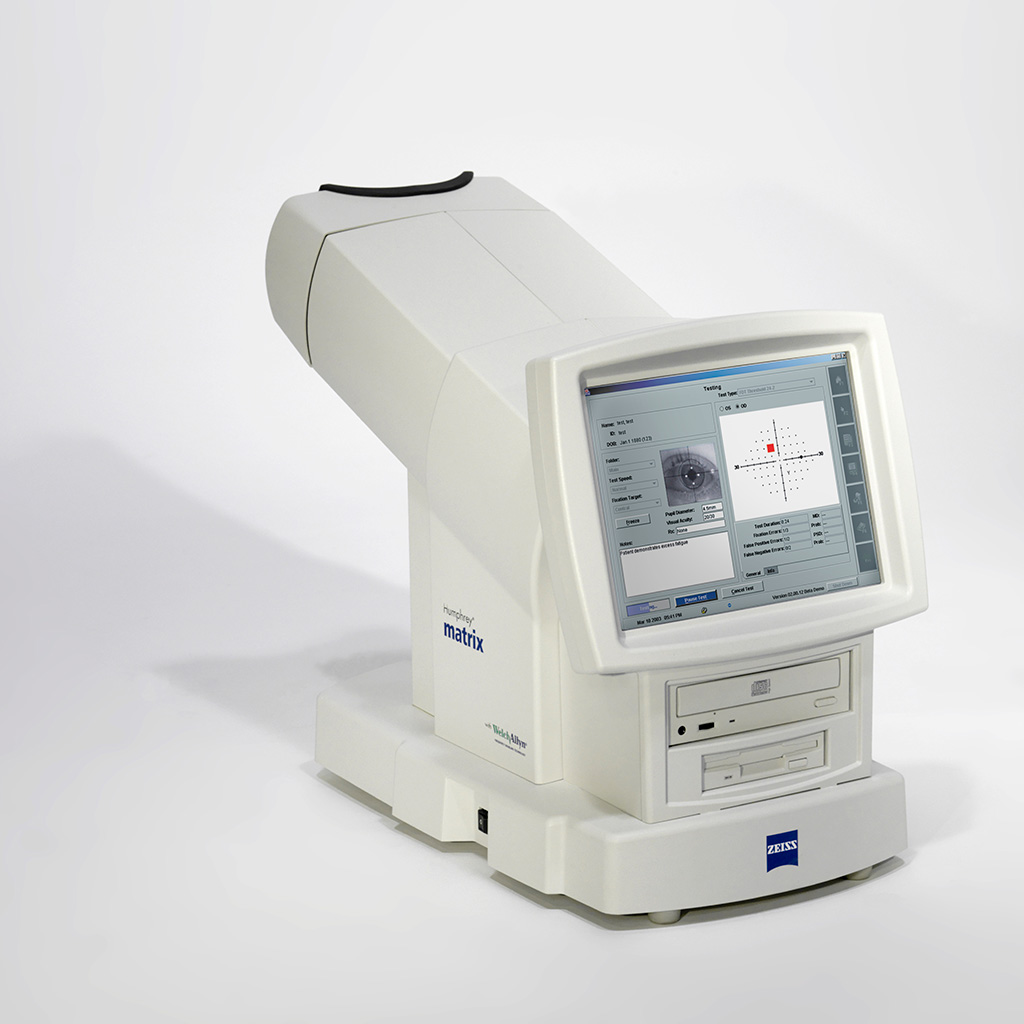
The Zeiss Humphrey Matrix 800 integrates frequency-doubling technology (FDT), which enhances sensitivity for detecting early visual field loss. Unlike traditional methods, FDT targets specific visual pathways affected by diseases like glaucoma, making it a robust tool for early diagnosis and management.
Key Features and Specifications
The device supports multiple testing patterns including Matrix 24-2 and 30-2, ensuring comprehensive evaluation of visual fields. It operates in both threshold and screening modes, accommodating diverse clinical needs from routine screenings to detailed diagnostic assessments.
How Does the Matrix 800 Compare to Other Perimetry Devices?
Comparing perimetry devices reveals the Matrix 800’s superiority in accuracy and sensitivity, crucial for detecting subtle visual field defects early on. Its intuitive interface and advanced software streamline data management, making it a preferred choice among ophthalmologists worldwide.
Clinical Applications in Glaucoma Management
In the field of glaucoma management, the Zeiss Humphrey Matrix 800 plays a pivotal role. Its ability to detect and monitor glaucomatous progression through precise hemifield tests and GHT analysis provides clinicians with actionable insights for treatment planning and patient care.
Utilizing Normative Data for Precision
Normative data is essential for benchmarking individual test results against population averages, facilitating accurate diagnosis and monitoring of disease progression. The Matrix 800’s integration with normative databases enhances diagnostic precision, ensuring reliable interpretations of visual field data.
Enhancing Patient Comfort and Compliance
Patient experience is paramount during visual field testing. The Matrix 800’s design prioritizes comfort with features like gaze tracking and ambient light adjustments, optimizing testing conditions without compromising accuracy.
Connectivity and Data Management
Integration with Zeiss FORUM enables seamless connectivity and centralized data management across office networks. This capability enhances workflow efficiency, allowing practitioners to focus more on patient care and less on administrative tasks.
Training and Implementation
Considerations Effective utilization of the Matrix 800 requires adequate training for technicians and clinicians alike. Understanding its operational nuances and interpreting test results are critical for maximizing its diagnostic potential and clinical utility.
Future Trends and Innovations
As technology continues to evolve, future iterations of the Zeiss Humphrey Matrix 800 are expected to further refine diagnostic capabilities and expand its clinical applications. Innovations in connectivity, software enhancements, and ergonomic design will shape the next generation of visual field analyzers.
Addressing Challenges and Limitations
Despite its advancements, challenges such as patient cooperation and interpretation complexities remain. Addressing these through comprehensive training and ongoing support ensures optimal performance and reliable diagnostic outcomes.
Key Takeaways
- The Zeiss Humphrey Matrix 800 utilizes frequency-doubling technology for early detection of visual field loss. I
- t offers multiple testing patterns and modes to cater to diverse clinical needs.
- Integration with normative databases enhances diagnostic accuracy.
- Patient comfort features and connectivity options streamline workflow and improve patient care.
By leveraging the Zeiss Humphrey Matrix 800’s capabilities, ophthalmologists can elevate their diagnostic standards, ensuring timely detection and effective management of eye diseases.


