



Eye (Intraocular) Pressure: Understanding Normal Levels and Risks
Intraocular pressure (IOP) is a critical factor in eye health that you might not think about often. It reflects the fluid pressure within your eyes, and understanding its normal range is vital for preventing serious conditions like glaucoma. Raised IOP can occur without warning, leading to irreversible damage if left unchecked. So, learn with SEVEN on how do you guarantee your IOP stays within a healthy range, and what steps can you take to monitor it effectively?
Key Takeaways
- Intraocular pressure (IOP) is the fluid pressure within the eye, crucial for maintaining its shape and health.
- Normal IOP ranges from 10 to 21 mmHg, with fluctuations occurring throughout the day.
- Elevated IOP can lead to glaucoma, resulting in optic nerve damage and vision loss if untreated.
- Symptoms of high IOP may include blurred vision, eye discomfort, and headaches, often going unnoticed initially.
- Regular eye exams and lifestyle changes are vital for monitoring and managing eye pressure effectively.
What Is Intraocular Pressure (IOP)?
Intraocular pressure (IOP) denotes the fluid pressure inside your eye, vital for maintaining its shape and overall health. This pressure results from the balance between the production and drainage of aqueous humor, the fluid that nourishes your eye.
Increased intraocular pressure can lead to glaucoma, a condition that damages the optic nerve and can result in vision loss. It’s important to recognize that while not everyone with high IOP will develop glaucoma, consistently high levels increase your risk.
Regular eye exams help monitor your intraocular pressure, allowing for early detection and potential intervention. By understanding IOP, you can take proactive steps in maintaining your eye health and reducing the risk of conditions like glaucoma.
Normal Eye Pressure Range and How It’s Measured
A normal range for eye pressure typically falls between 10 and 21 mmHg, though individual variations can occur. Understanding these normal eye pressure levels is essential for maintaining your ocular health.
To measure eye pressure, an eye pressure test known as tonometry is performed during thorough eye exams. This painless procedure assesses the intraocular pressure (IOP) and helps detect any potential issues early. Various methods exist, such as Goldmann applanation tonometry and non-contact tonometry, each providing significant observations into your eye pressure.
Since IOP can fluctuate throughout the day, regular monitoring is critical. Keeping track of these measurements guarantees you stay informed about your eye health and aids in the prevention of conditions like glaucoma.
Causes of High Intraocular Pressure
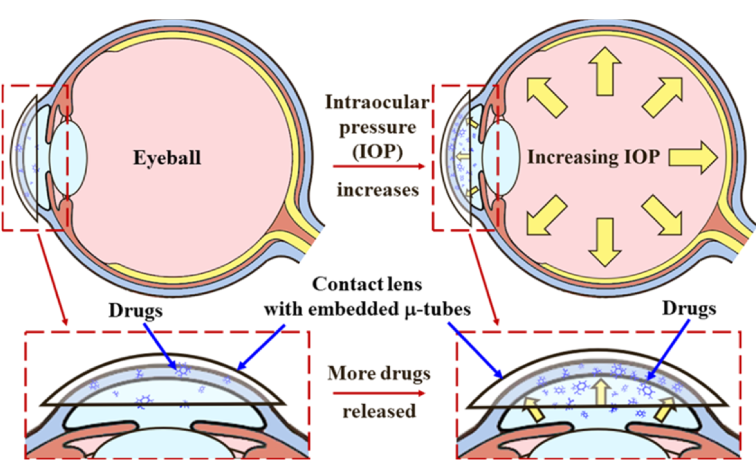
When the drainage of aqueous humor is compromised, it can lead to high intraocular pressure (IOP), a condition known as ocular hypertension. This occurs primarily when the trabecular meshwork becomes blocked, preventing proper fluid movement and causing a buildup of pressure.
Factors like eye injuries, certain medications, family history, and corneal structure can increase your risk. While high intraocular pressure symptoms often remain undetected, they can escalate to serious conditions like glaucoma.
To lower eye pressure naturally, consider regular exercise, a balanced diet, and avoiding excessive caffeine. Understanding these causes enables you to take proactive steps in maintaining healthy IOP and safeguarding your vision.
Symptoms and Risks of Elevated Eye Pressure
Raised eye pressure often goes unnoticed until it manifests through specific symptoms that can impact your daily life.
You might experience discomfort or pain in your eyes, blurred vision, or difficulty focusing. Halos around lights and headaches, particularly near the eyes, can also occur, along with decreased peripheral vision.
These symptoms signal potential risks, as heightened eye pressure can damage the optic nerve, leading to vision loss and increasing your risk of glaucoma.
If untreated, you could face long-term complications, including reduced peripheral and possibly central vision loss.
Recognizing these symptoms is essential for timely intervention and preserving your eye health, so pay attention to any changes in your vision or eye comfort.
How to Monitor and Manage Eye (Intraocular) Pressure
How can you effectively monitor and manage your intraocular pressure (IOP) to safeguard your vision?
Start with routine eye exams, where tonometry measures your eye pressure and checks for optic nerve damage. If your IOP is abnormal, follow your eye care professional’s advice on managing it.
Lifestyle changes, like reducing stress and getting adequate sleep, can help maintain normal levels. A balanced diet rich in fruits, vegetables, and omega-3 fatty acids supports eye health.
If necessary, you might be prescribed eye drops or oral medications to regulate IOP. In severe cases, surgical options like laser therapy may be considered.
Staying proactive in monitoring and managing your IOP is vital to prevent complications, including glaucoma and vision loss.

Frequently Asked Questions
Can Stress Affect Intraocular Pressure Levels?
Yes, stress can affect your intraocular pressure levels. When you’re stressed, hormonal changes can lead to increased fluid production or reduced drainage in your eyes, potentially raising pressure and impacting your eye health.
Are There Any Specific Diets to Lower Eye Pressure?
You can consider a diet rich in leafy greens, fish high in omega-3s, and antioxidants. Limiting caffeine and sugar might help too. Staying hydrated is essential, so drink plenty of water throughout the day.
Is Eye Pressure Different in Children Compared to Adults?
Yes, eye pressure can differ between children and adults. Children often have lower baseline levels due to their developing eyes, and fluctuations can occur as they grow, which may influence their overall eye health.
How Does Hydration Impact Intraocular Pressure?
Hydration significantly impacts intraocular pressure. When you’re well-hydrated, your body maintains optimal fluid balance, potentially lowering eye pressure. Conversely, dehydration can lead to increased pressure, affecting overall eye health and function. Stay hydrated for better outcomes.
Can Eye Pressure Fluctuate Throughout the Day?
Yes, your eye pressure can fluctuate throughout the day. Factors like posture, activity, and fluid intake influence these changes. Monitoring your levels regularly helps you understand your unique patterns and maintain optimal eye health.
Conclusion
Intraocular pressure is a critical aspect of your eye health that you can’t afford to overlook. Regular monitoring and understanding of your IOP can help you catch potential issues early, preventing serious complications like glaucoma. By staying informed about the normal pressure range and recognizing the causes and symptoms of increased IOP, you enable yourself to take proactive steps. Prioritize your eye exams and manage your eye pressure effectively to maintain your vision and overall ocular health.


