



Understanding Uncorrected Refractive Error and How Clinics Can Detect It
Worried about uncorrected refractive error? You should be. You may notice smeared distant signs, ghosting, starbursts at night, or headaches and eye strain after screens. Do you squint, hold books farther away after 40, or see kids sit too close to TVs? Ophthalmologists use autorefractors, retinoscopy, phoropters, near tests for presbyopia, and astigmatism checks, plus keratometers, corneal topographers, and wavefront aberrometers. Want dependable equipment with calibration, reviews, and support? You’re about to see how to protect your vision.
Key Takeaways
- Uncorrected refractive error blurs vision at distance or near, causing squinting, headaches, eye strain, and reduced performance in school or work.
- Symptoms include smeared distant signs, ghosting or double lines, starbursts around lights, and holding reading material farther after age 40.
- Diagnosis starts with objective measurements via autorefractor or retinoscopy, followed by phoropter refinement for the most accurate prescription.
- Additional tests assess presbyopia and astigmatism, with keratometry, corneal topography, and wavefront aberrometry detecting curvature and higher-order aberrations.
- Choose ophthalmic equipment from accredited, experienced suppliers offering reviews, calibration, warranties, consultations, and rapid support to minimize downtime.
What Is Uncorrected Refractive Error and Why It Matters
Even if you think your vision is “fine,” could uncorrected refractive error be quietly blurring your world and limiting your options?
Are distant signs or small print just slightly off, nudging you to squint and settle?
If your eyes can’t focus light precisely, how much learning, work performance, or daily confidence are you sacrificing?
URE is a leading cause of vision impairment worldwide—are you unintentionally counting yourself among those left behind?
Would a quick refractive error eye test change your path?
Could an autorefractor for refractive error provide the precise numbers you need to see clearly, participate fully, and belong without hesitation?
If clearer vision enhances productivity and quality of life, why wait?
Awareness is action—will you choose the clarity that supports your goals and your community?
Common Symptoms and Impact on Vision Health
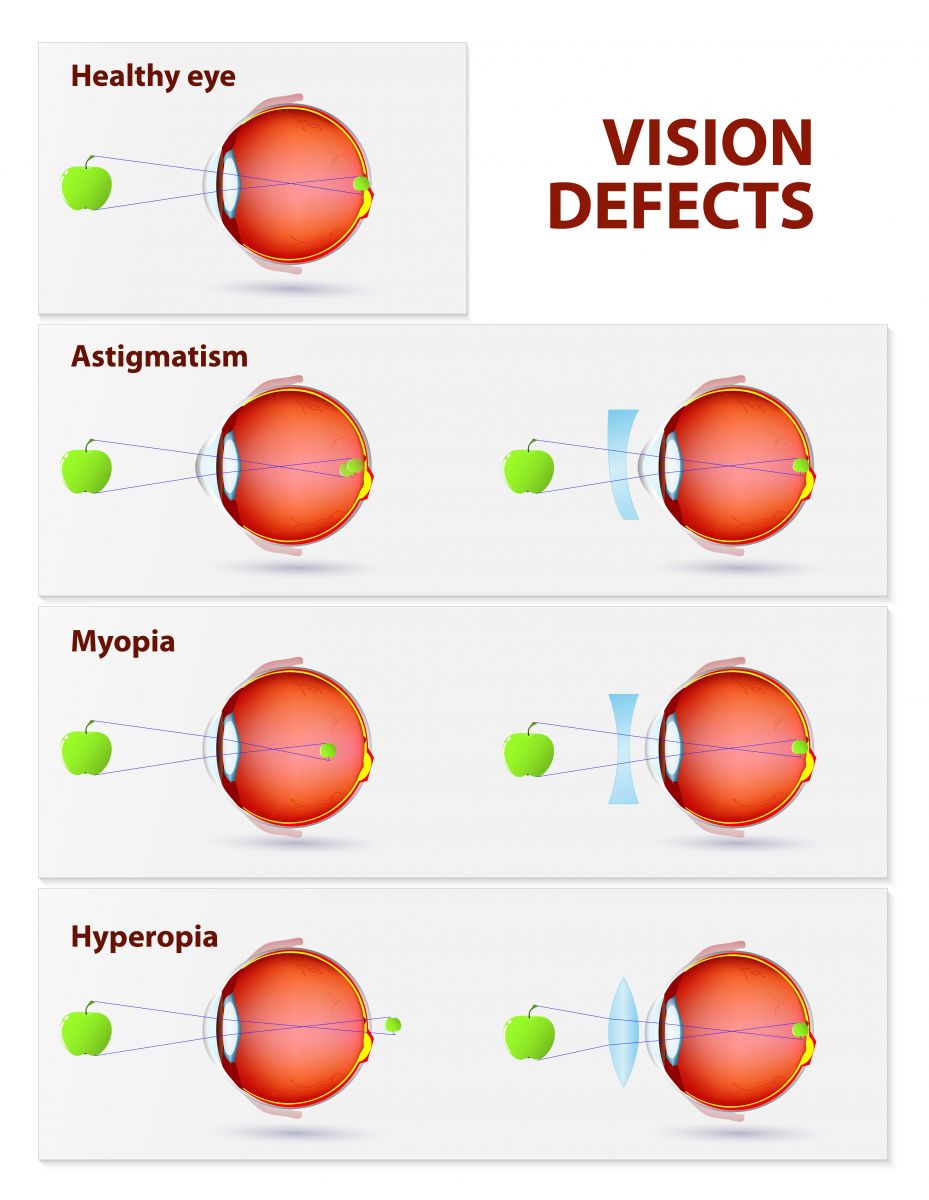
Blur hints. Do distant signs smear while close text stays crisp—or the opposite? Do headlights starburst, lines ghost, or words double? Are you squinting, nursing headaches, or rubbing tired eyes after screens?
Do you hold books farther away after 40? Do children sit too close to TVs or avoid reading? These are classic signals of myopia, hyperopia, astigmatism, or presbyopia.
Uncorrected blur strains your eyes, saps focus at school or work, and chips at confidence and safety. Are you missing faces across the room, misreading labels, or hesitating to drive at night? Small changes compound over time.
You deserve clear belonging in every setting. Regular checkups with ophthalmic equipment for vision testing—and confirmation with lensmeter eye diagnosis—help you act early, protect comfort, and prevent avoidable complications.
How Ophthalmologists Diagnose Refractive Errors Accurately
Worried those starbursts and headaches mean something’s being missed? During an extensive eye exam, your ophthalmologist follows a precise sequence to pinpoint refractive errors.
Do you start with an auto-refraction or retinoscopy to get an objective baseline of how your eyes focus light? Next, you’ll answer “which is clearer—one or two?” through a phoropter to enhance the prescription.
Are near tasks still fuzzy? A close vision test at about 12 inches checks for presbyopia. Concerned about uneven blur or ghosting? Targeted astigmatism evaluation assesses corneal curvature.
Finally, a trial frame lets you confirm clarity in real-world viewing.
Do you want certainty you belong in the right lenses and not over- or under-corrected? Regular exams—rather than trying to buy diagnostic tools for refractive error—protect your vision.
Ophthalmic Equipment Used to Detect Refractive Errors
At your exam, do you wonder exactly which machines catch nearsightedness, farsightedness, or astigmatism before symptoms worsen? Do you worry you’ll miss something others catch? You won’t.
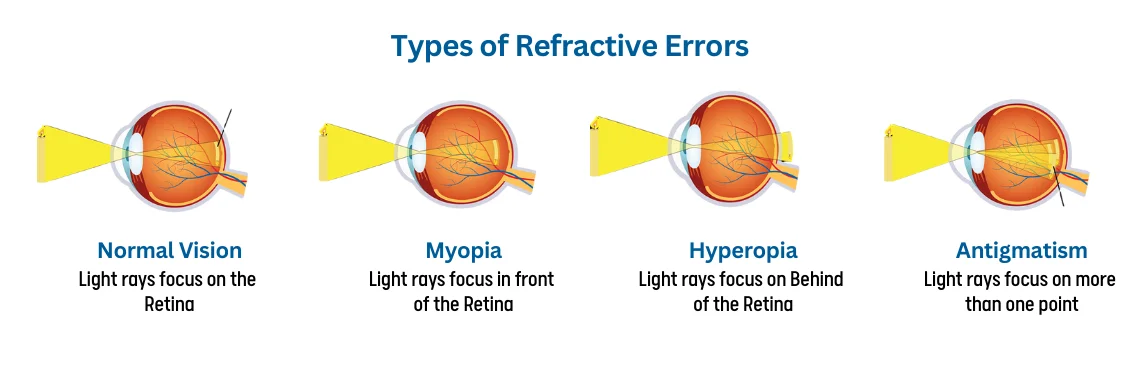
Your visit typically starts with an autorefractor—does it measure how light focuses on your retina to estimate your prescription quickly? A keratometer follows—does it check corneal curvature to flag astigmatism that could blur group photos and road signs? Will a corneal topographer map subtle cone-like changes you’d rather detect early?
Do you sit behind a phoropter next—clicking lenses while the clinician adjusts your exact correction? Are retinoscopy streaks used if you’re unsure of choices? Will a wavefront aberrometer detect higher-order distortions that standard tests miss?
Together, these tools protect your vision—and keep you confidently included.
Where Clinics Can Find Reliable Diagnostic Equipment for Refractive Error Testing
From routine checks to urgent upgrades, do you know exactly where to source dependable autorefractors, keratometers, and topographers without risking accuracy or compliance?
Are you choosing a partner with 15+ years in ophthalmics, accredited calibration, and traceable standards?
Will your purchases arrive precisely reviewed, maintained, and backed by a 1‑year warranty?
You can lean on SEVEN OES recognized for integrity, multi‑brand knowledge, and North/South American coverage.
Do you need a FREE one‑on‑one consultation to validate specs, workflow fit, and regulatory requirements?
Would immediate phone/email support and an online shop reduce downtime?
Are affordable, user‑friendly options that enhance diagnostic accuracy and profitability on your checklist?
Join our community focused on superior clinical results—secure calibrated equipment, verify compliance, and safeguard patient outcomes.
Sign up for first‑time discounts today.
Conclusion
Are you overlooking headaches, squinting, or night glare that signal uncorrected refractive error? Do you schedule routine eye exams or wait until eyestrain interrupts work and driving? Have you asked about refraction, keratometry, and retinal assessment? Are your glasses or contacts updated, clean, and comfortable? Do you trust your clinic’s autorefractor, phoropter, and topographer? Will you choose certified equipment and trained staff? If your vision feels “off,” why not book a thorough check today? Your eyes deserve certainty.


